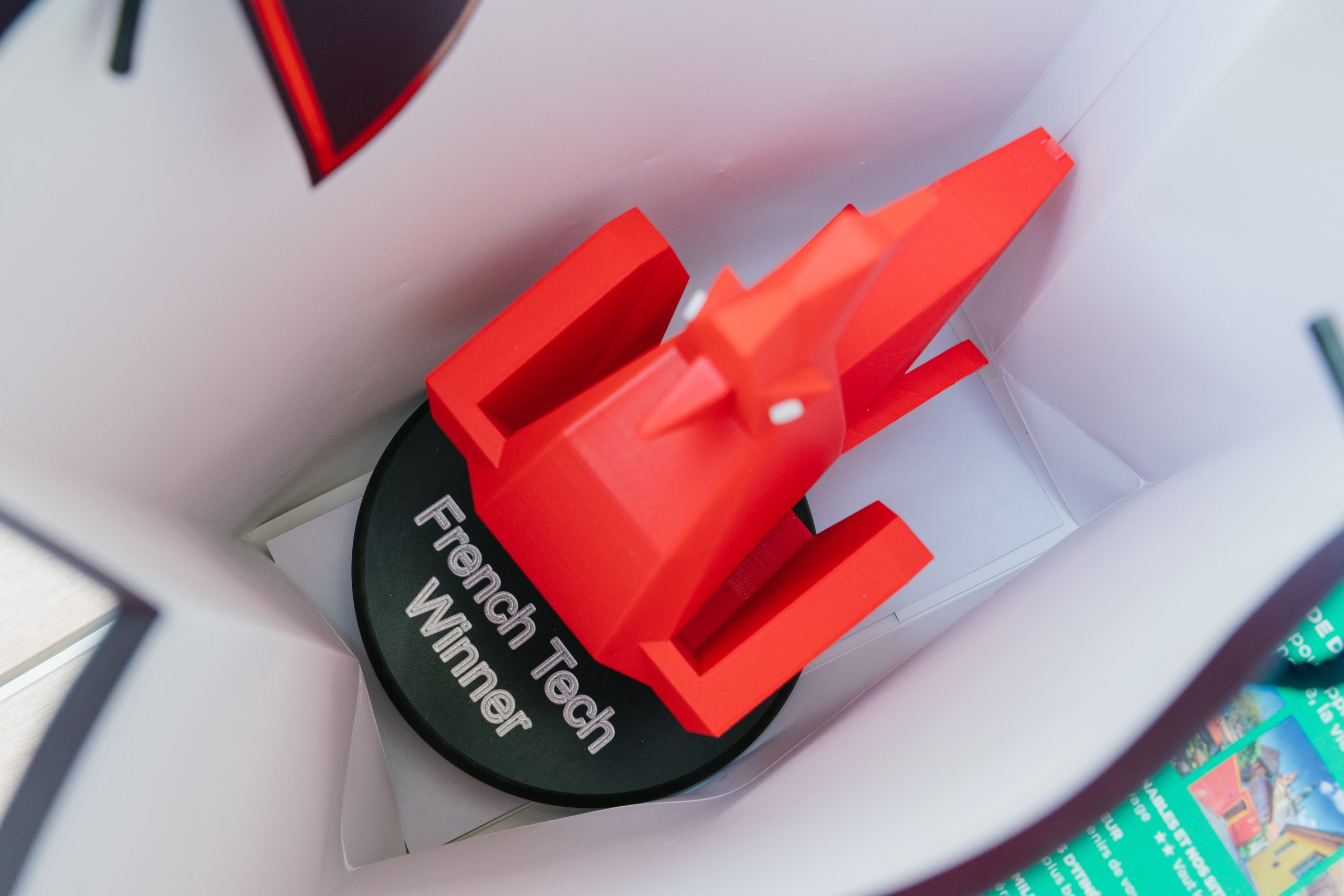
Mediascope Honored with the Brand Experience Award at French Tech Bucharest
2 min read

Evolving from a trade marketing agency into a retail innovation partner, Mediascope is accelerating its transformation through the development of its Digital Playgrounds platform. The company is leveraging the integration of technology, data, and retail media to transform retail spaces into ecosystems of content, engagement, and measurable performance for brands and retailers, says Dragoș Bocai, Founder & CEO of Mediascope.

How would you characterize Mediascope’s evolution over the past year in terms of growth, profitability, and market positioning?
For us, the past year has been more about consolidation and clarity than about accelerated growth at all costs. We have invested heavily in infrastructure, technology, processes, and the development of an integrated model that connects trade marketing, brand experiences, data collection, and retail media. Profitability came from optimization and shifting our focus toward high-value strategic projects rather than just volume. In terms of positioning, I believe that today, Mediascope is increasingly recognized as a retail innovation and brand experience partner, rather than just a traditional execution agency.
What was the most critical strategic decision the company has made recently?
Our most important decision was to consistently invest in building the Digital Playgrounds platform and integrating technology and data into our trade marketing ecosystem. We decided to stop viewing retail as merely an execution space, and instead treat it as a dynamic environment for content, experience, and data collection. This decision has reshaped everything—from how we build our projects and teams to how we approach client relationships.
Looking at the transition from a traditional trade marketing agency to a technology- and brand-experience-driven company, where does Mediascope stand today?
Retail has entered the era of actionable experiences. Winning is no longer about which brands have the most beautiful presentations, but about who can rapidly transform ideas into relevant, measurable in-store experiences. We are at a point where this transition is no longer just an intention—it is an operational reality. Trade marketing remains our core, but today we connect it with technology, retail media (both through integration with existing networks and our own proprietary network), data collection and analysis via the Digital Playgrounds platform, and integrated brand experiences. Essentially, we are no longer talking about mere retail execution, but about building comprehensive presence and engagement ecosystems for brands.
What shifts have you observed in how FMCG and retail clients approach in-store engagement and conversion?
Speed has become the new competitive advantage. In 2026, agility is worth more than the size of your budget. Retail is no longer just a sales channel—it is becoming a media channel that must be intentionally built and developed. The shelf is no longer just physical space; it is a media touchpoint where the purchasing decision is either won or lost. Clients are beginning to understand that visibility alone is no longer enough. There is a growing demand for relevant experiences, dynamic content, and clear performance measurement.

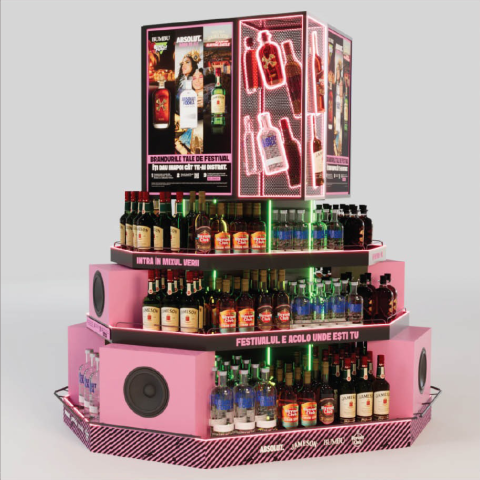
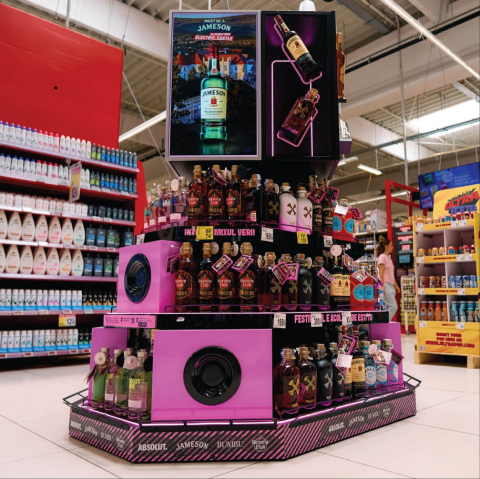


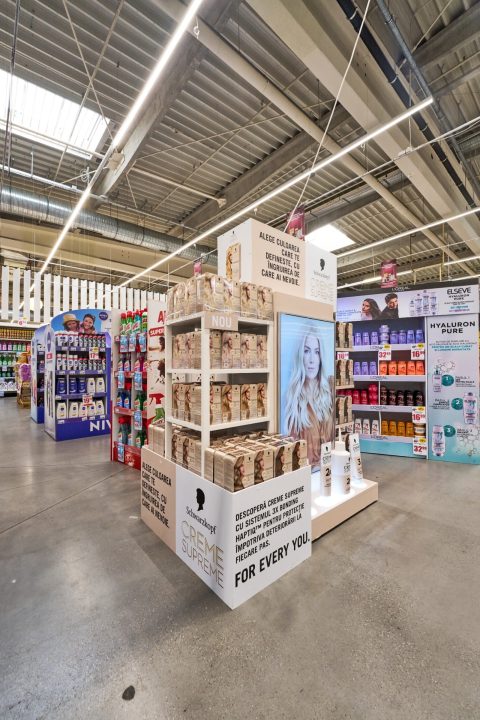
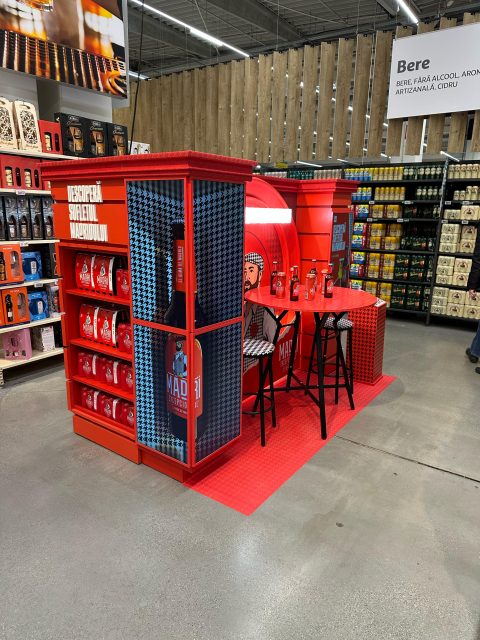
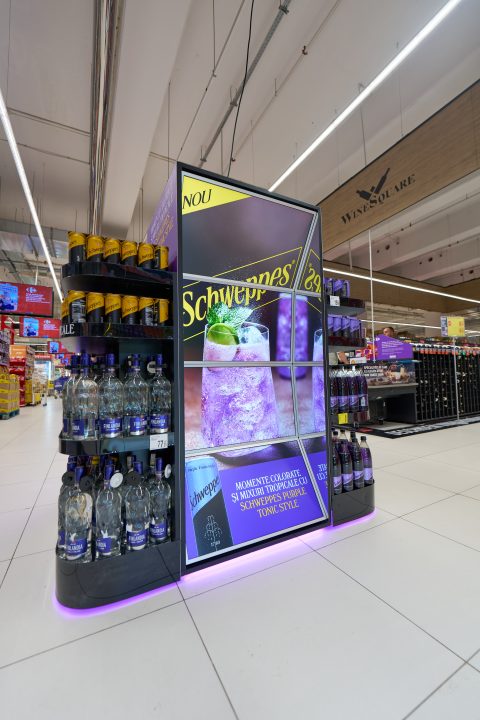
How would you define Digital Playgrounds in commercial terms, and what market need does this initiative address?
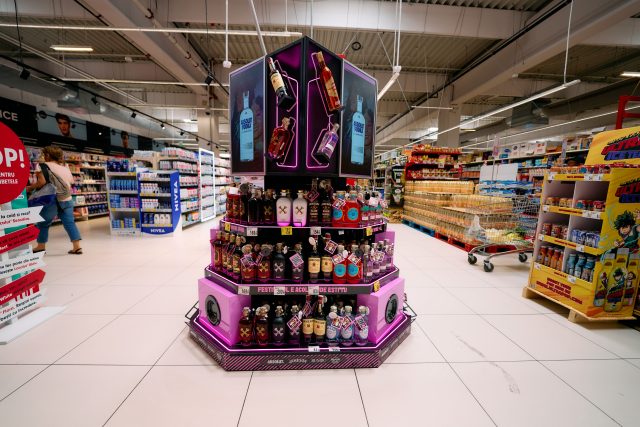
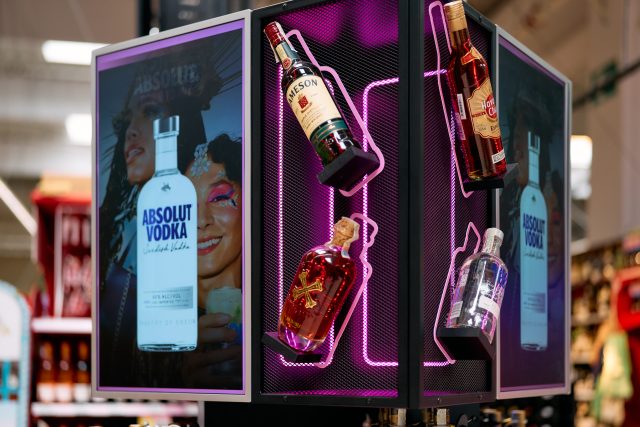
Digital Playgrounds is a retail experience and retail media platform that transforms commercial spaces into intelligent ecosystems driven by experience, content, and data. We created it to address a critical challenge faced by modern brands: how to be faster, more relevant, and more efficient at the point of purchase. Our role is not just to execute activations, but to build the infrastructure that links brand experience with business performance. Through digitalization, modularity, and the reusability of the same platforms across multiple campaigns and markets, we offer brands a more agile, measurable, and sustainable model compared to traditional retail marketing solutions.
Where does Digital Playgrounds generate the best results for clients? How does it differentiate itself from traditional in-store activation strategies?
We are no longer talking about materials and activations, but about a retail infrastructure that enables brands to be faster, more relevant, and more efficient. In our view, this is the future of shopper marketing and retail media: actionable experiences, optimized through data, and built for long-term performance. Truly relevant experiences are those that combine brand storytelling with technological infrastructure and data.
How scalable is this model?
The model is built for scale. The entire logic behind Digital Playgrounds is based on modularity, standardization, and centralized control, allowing us to rapidly adapt the same infrastructure across different brands, industries, and contexts with minimal resource consumption compared to traditional solutions. This scalability is already proven globally: the technology powering our ecosystem is deployed in over 120,000 installations for a global leader in the energy drink category, across more than 30,000 venues in the entertainment and events industry, and in over 3,000 locations for one of the world’s most recognizable beverage brands.
Looking at retail media, how does Mediascope position itself within this ecosystem? Do you consider retail media an extension of trade marketing or a standalone advertising category?
I don’t think retail media should be viewed as either an extension of trade marketing or a standalone advertising category. Rather, it represents the convergence point between the two. Today, retail is no longer just a distribution channel; it is becoming a media channel in its own right—the space where consumers discover, evaluate, and make purchasing decisions. In this context, content, experience, and data must work in tandem, not in silos. Mediascope positions itself within this ecosystem as a partner that builds and manages the infrastructure required for this convergence, connecting brand experiences, technology, retail media, and performance measurement into a single operational model. Through Digital Playgrounds, we transform commercial spaces into content, engagement, and data ecosystems capable of driving value for both brands and retailers.
What does an effective retail media partnership look like between brands, retailers, and technology providers?
An effective partnership requires shared objectives, access to relevant data, an infrastructure that allows for rapid implementation and continuous optimization, as well as seamless integration with existing systems. Retailers provide the context and shopper access, brands bring the commercial strategy and goals, and technology providers must ensure the integration and data-measurement capabilities. If any of these components are missing, retail media risks remaining a mere exercise in visibility rather than a true business driver.

Check out the original article here.