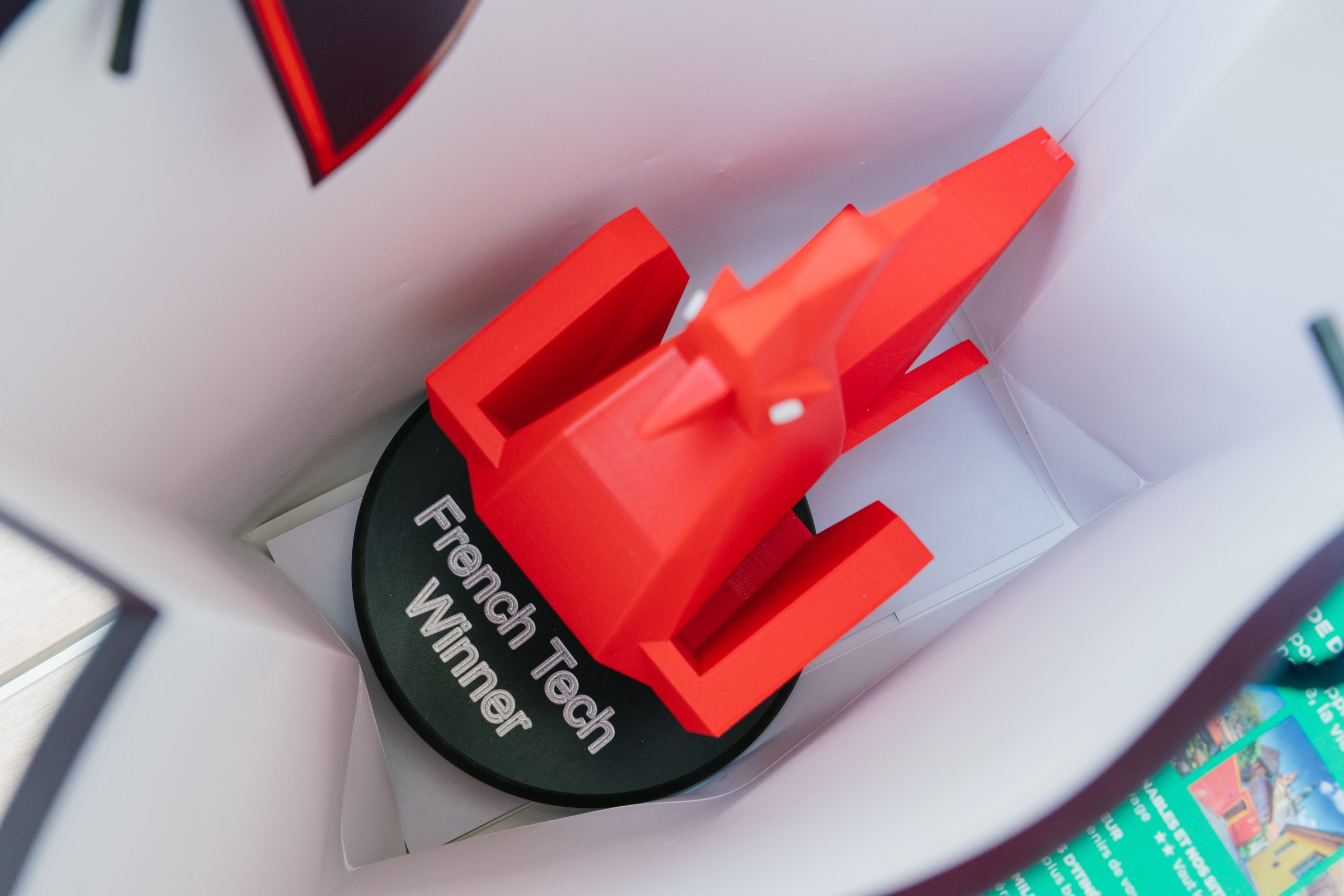
Mediascope Honored with the Brand Experience Award at French Tech Bucharest
2 min read
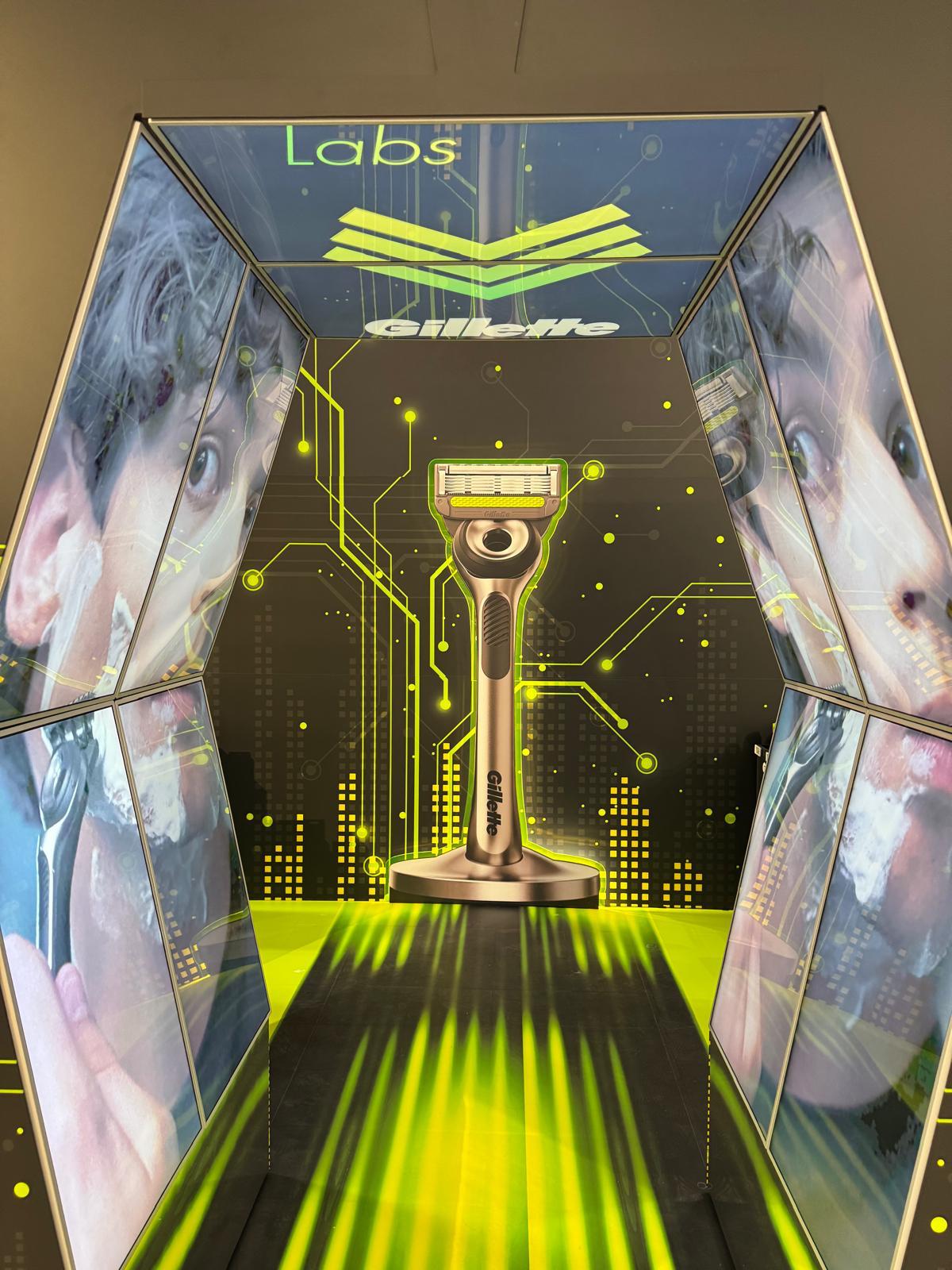
In an era shaped by continuous scrolling, rapid message consumption, and fragmented attention spans, the benchmark for performance in the marcom industry is shifting fast. High impression counts, surface-level reach, and temporary engagement spikes might populate dashboard reports, but they rarely guarantee long-term brand equity or sustainable revenue growth.
In an industry analysis published in Biz Magazine, Dragoș Bocai (Founder & CEO, Mediascope) detailed why marketing efficiency must be recalibrated around real business impact, and how building integrated ecosystems bridges the gap between creative strategy, applied technology, and tangible results.
The most significant barrier brands face today is cutting through a landscape flooded with unproductive noise. Because digital tools make content output effortless, audiences find themselves bombarded by repetitive, trend-driven campaigns that lack distinct identity.
At the same time, marketing decision-makers face a dual demand: delivering fast, short-term returns while steadily building long-term brand strength.
“Efficiency no longer means just reach, impressions, or quick results. It means a campaign’s ability to produce real impact: capturing attention, driving memorability, and sparking action. All of these must translate into business results that can be continuously measured, understood, and optimized.”
— Dragoș Bocai, CEO Mediascope

True efficiency operates across complete systems where data, creativity, technology, and execution work in alignment rather than in isolated tracks. High-performing marketing teams now embed AI, automation, and predictive intelligence directly into their workflows to forecast campaign delivery, optimize media and experiential touchpoints in real time, and eliminate operational waste before deployment.
Modern consumers do not engage with brands in neat, predictable silos. Their everyday journey moves continuously across multiple physical and digital environments: browsing social media, encountering high-impact Digital-Out-of-Home (DOOH) screens, interacting with live event activations, and shopping in brick-and-mortar retail.
When these touchpoints operate as separate, uncoordinated initiatives, the brand narrative fractures and return on investment drops sharply.
Digital & Social Media → Generates the first point of discovery and sparks initial curiosity.
DOOH & Urban Spaces → Drives visibility during daily transit and builds brand recall.
Physical Retail & POS → Turns consideration into immediate on-shelf conversion through flawless in-store presence.
Live Activations & Experiences → Creates deep emotional engagement and direct consumer participation.
The Result: A Unified & Measurable Brand Ecosystem (where every touchpoint feeds data and business value back into the system).

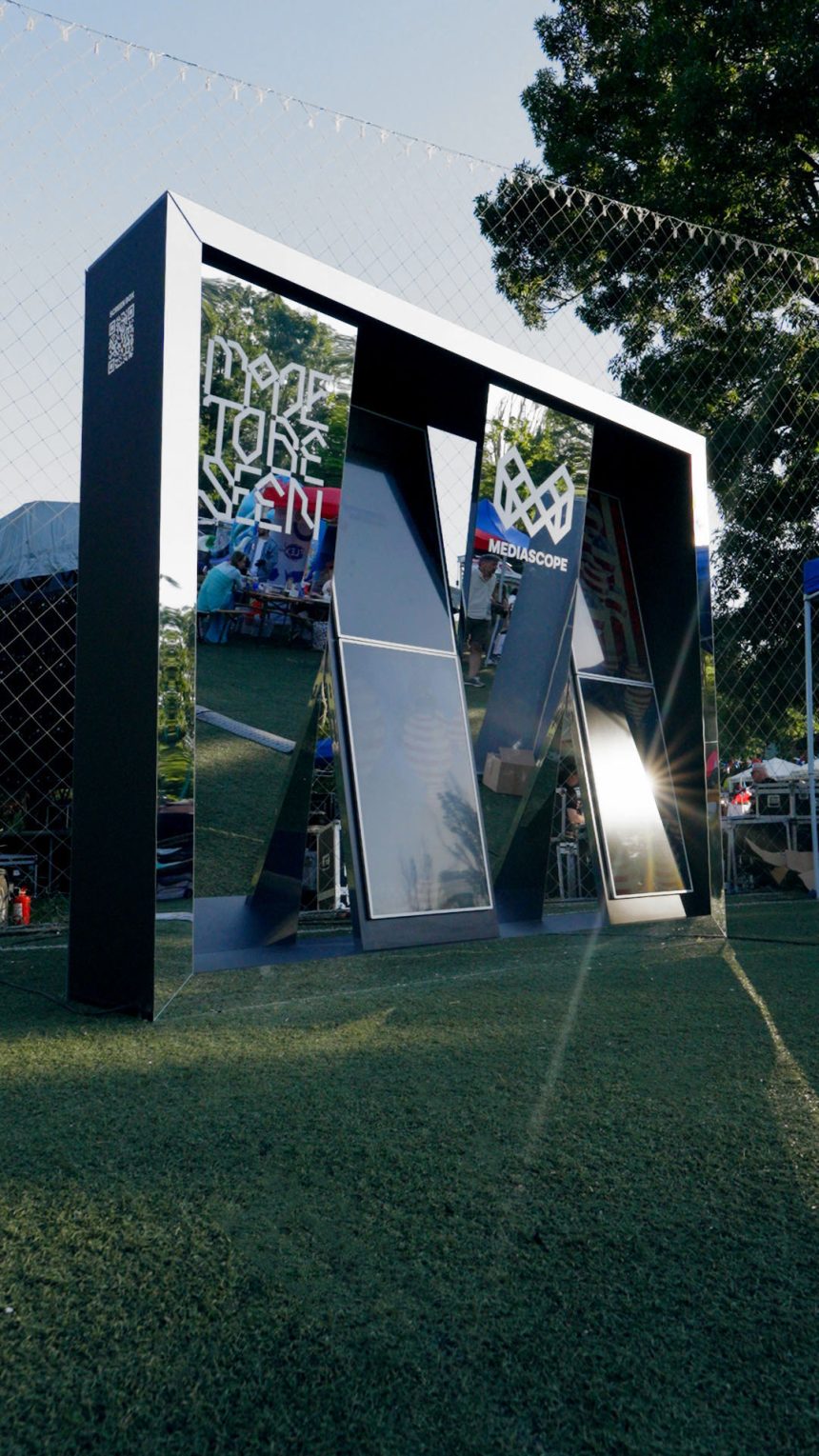



To prevent drop-off and maintain momentum across the entire decision path, brand strategies must evolve into integrated ecosystems:
· Connected Touchpoints: Unifying physical brand presences with responsive digital layers to keep the brand top-of-mind across environments.
· Relevance Over Trends: Grounding creative concepts in practical value rather than chasing superficial platform trends.
· Continuous Measurement: Tracking conversion, recall, and real-world interaction data to evaluate true commercial return.
Technological innovation loses its value if it exists only for visual spectacle. To produce business returns, interactive tech must deliver operational reliability, direct consumer relevance, and measurable interaction metrics.
This principle defines Digital Playgrounds, a strategic initiative developed by Mediascope. What began as an experimental laboratory has grown into a strategic infrastructure of integrated digital installations and dynamic digital canvases.
Built for Real Spaces
Solutions are engineered and stress-tested specifically for high-traffic retail environments, public spaces, and large-scale experiential events.
Operational Control
Digital canvases and interactive displays allow brands to update content dynamically while keeping execution dependable and efficient.
Actionable Interaction Data
Beyond looking visually striking, installations generate valuable behavioral data that helps teams evaluate engagement and refine future shopper interactions.
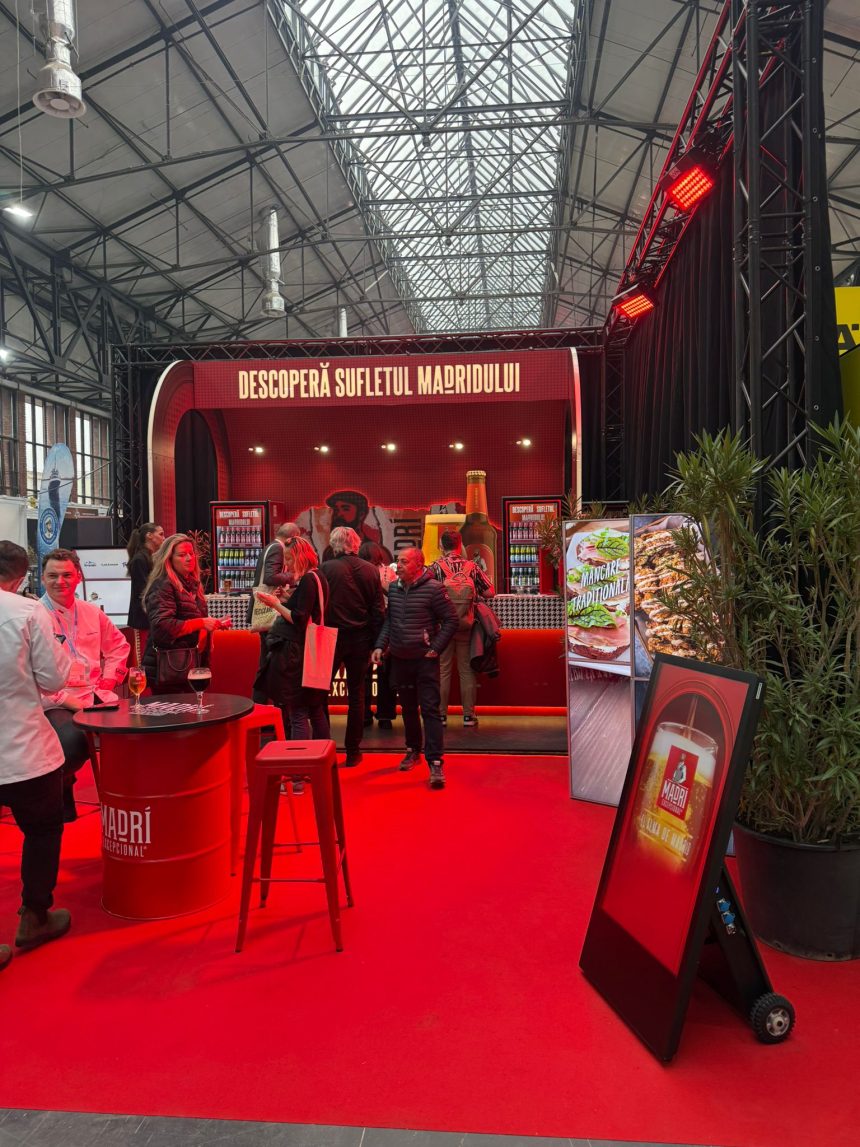
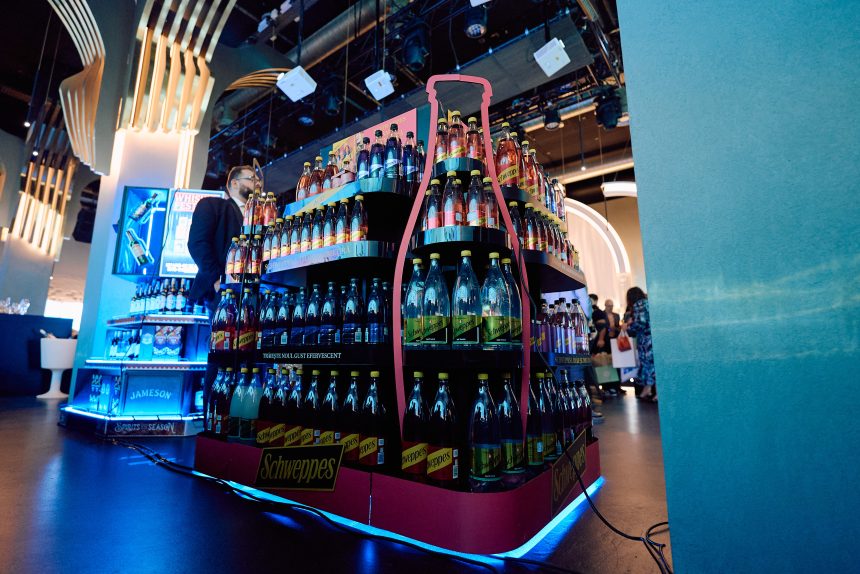
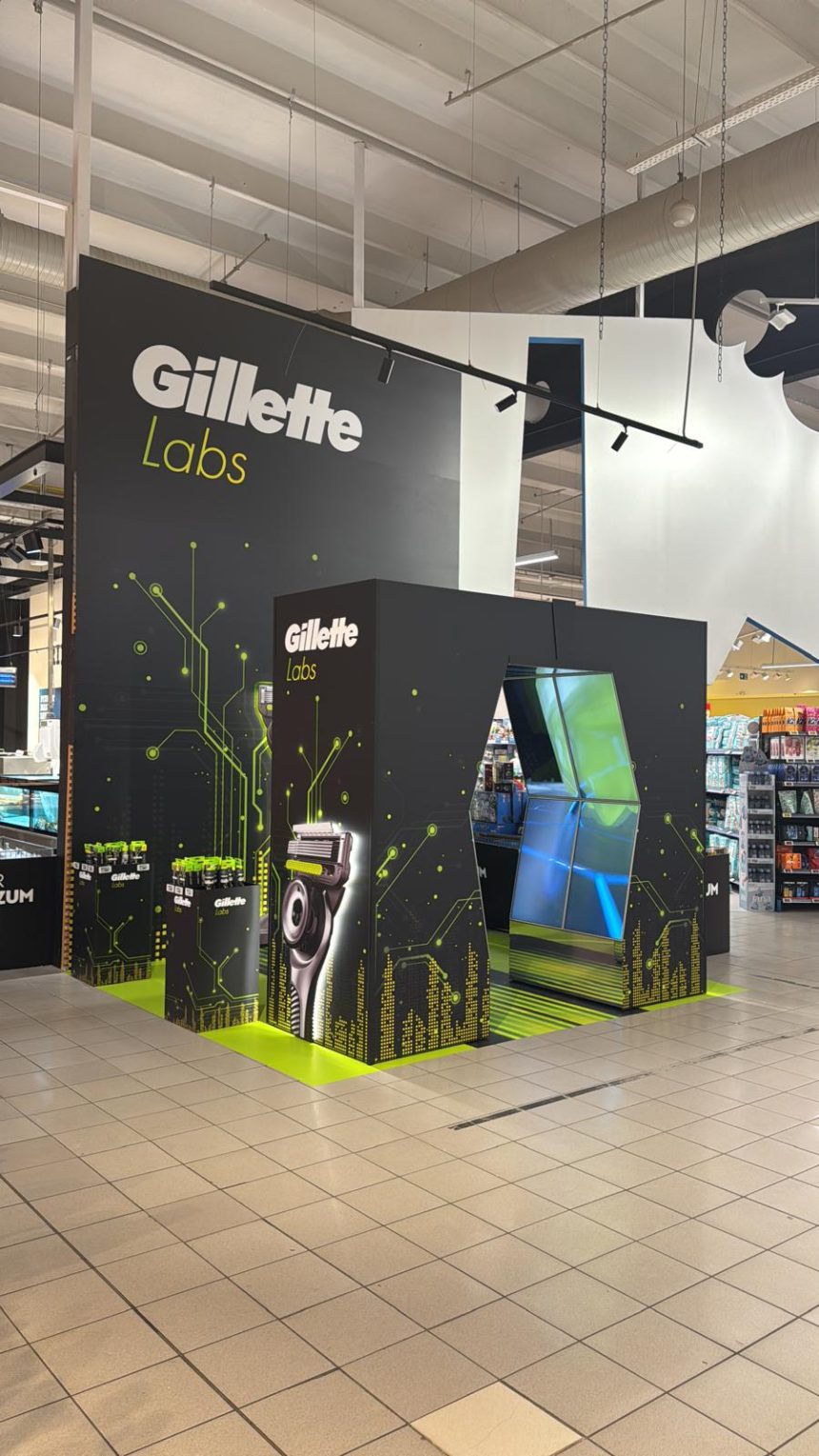
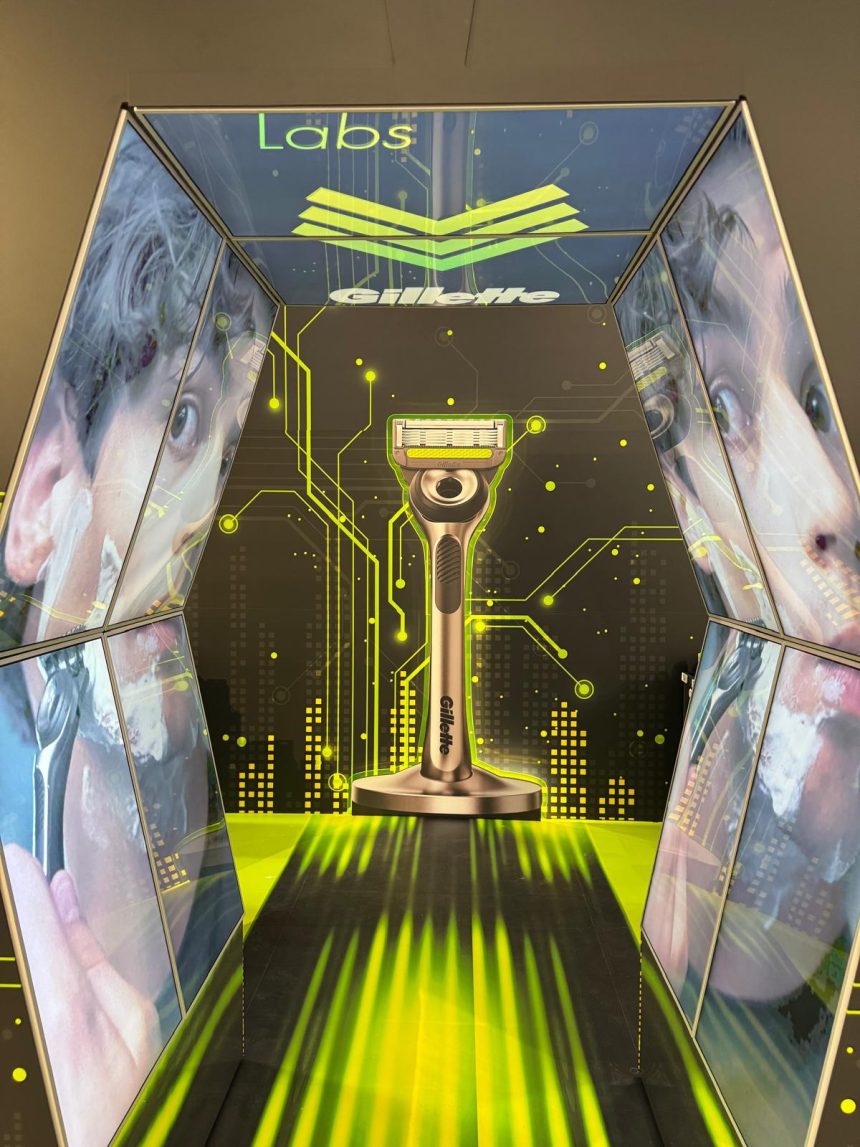
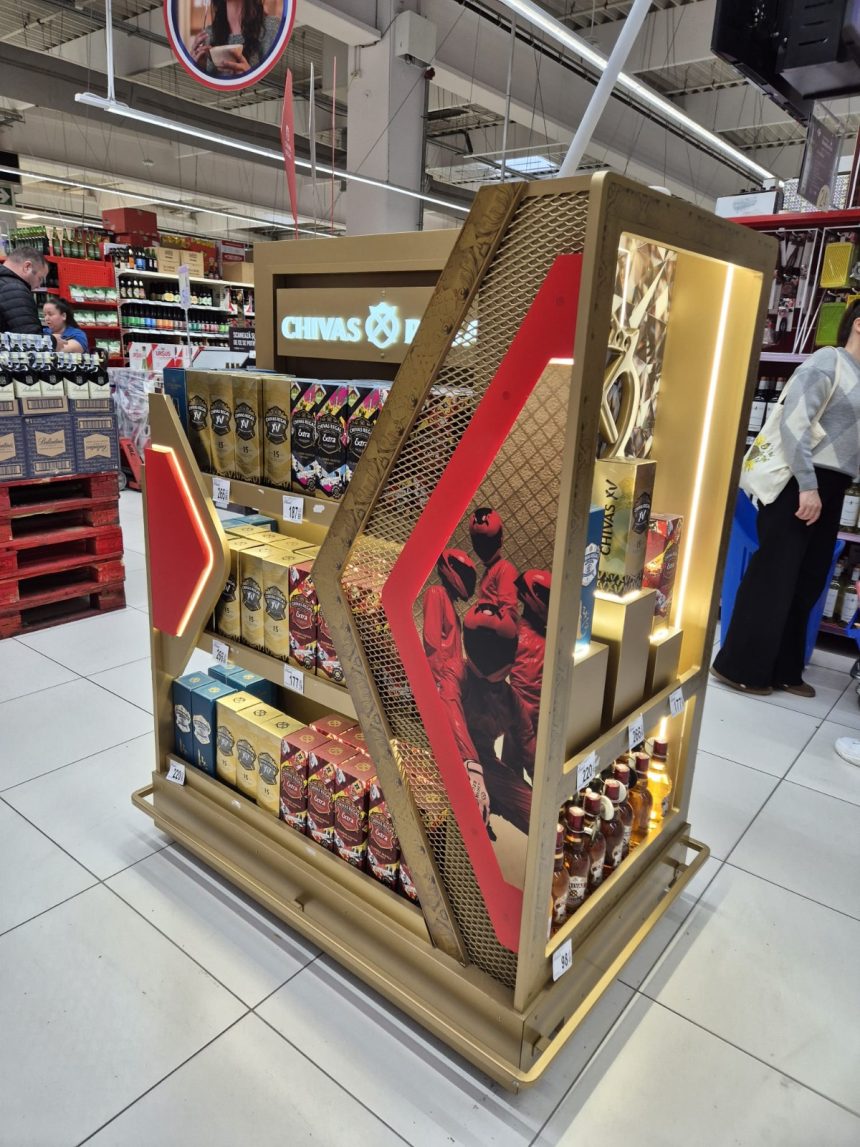
No integrated strategy succeeds without tight operational synchronization between the agency and the brand. High efficiency is not delivered unilaterally; it is built through an active, collaborative partnership where both sides elevate execution.
A responsive, structured, and accountable agency team provides the strategic clarity clients need to make faster commercial choices.
An open, collaborative client enables the creative and technical teams to push boundaries and deliver complex installations at full potential.
“A well-coordinated, agile, and accountable agency team helps the client make better, faster decisions, while an engaged and collaborative client empowers the agency to deliver at its best. That is why genuine collaboration is a true source of efficiency.”
— Dragoș Bocai, CEO Mediascope
In an increasingly saturated market, commercial growth will not come from producing more volume or chasing ephemeral platform metrics. The brands that lead will be those that build cohesive ecosystems—connecting creative storytelling, robust retail tech, and rigorous data analysis to transform brief consumer attention into lasting business value.
Originally featured in Biz Magazine #409 (August 15 – September 15, 2026).