As part of BR’s new interview series with professionals in the Media & Marketing sector, we sat down with Dragos Bocai, Managing Director at Mediascope, and talked about the agency’s last year and the near future, clients, specials projects such as Digital Playgrounds, AI implementation & trends, as well as what will impact the industry the most.
How did you start the year and what are your expectations for Mediascope in 2026?
We started the year with a clearer sense of what we want to build and what we no longer compromise on. For us, 2026 is less about doing a lot and everything and more about doing the right things that support us and our partners to generate revenue growth and the right execution standard in the market.
2026 is a year of consolidation and refinement. We continue to build the company as a 360 brand management structure with a strong trade marketing core, but with growing capabilities in digital brand experience, retail data collection and analysis, and integrated cross-channel communication, again everything with a clear focus of revenue growth generation.
How was 2025 from a business point of view and what would you change in 2026?
From a business point of view, 2025 was a strong year. It was a year that confirmed that our model works: connecting trade marketing, brand experience, technology, data collection and analysis, and social media into one integrated Tool that creates real value and ROI for partners.
At the same time, it was also a demanding year. The rhythm was intense, the market became even more fragmented, pressure on costs remained high, and clients continued to expect premium quality under increasingly compressed timelines. So, if I were to change something in 2026, it would be our level of selectivity. We want to say “no” more often — and more clearly. We want to choose partnerships with the same rigor with which we choose our direction.
What are the agency’s most in-demand services and why?
The most requested services are the ones that sit at the intersection of strategy and implementation. Clients no longer want isolated deliverables. They want coherent systems that connect visibility, experience, execution and measurable outcomes.
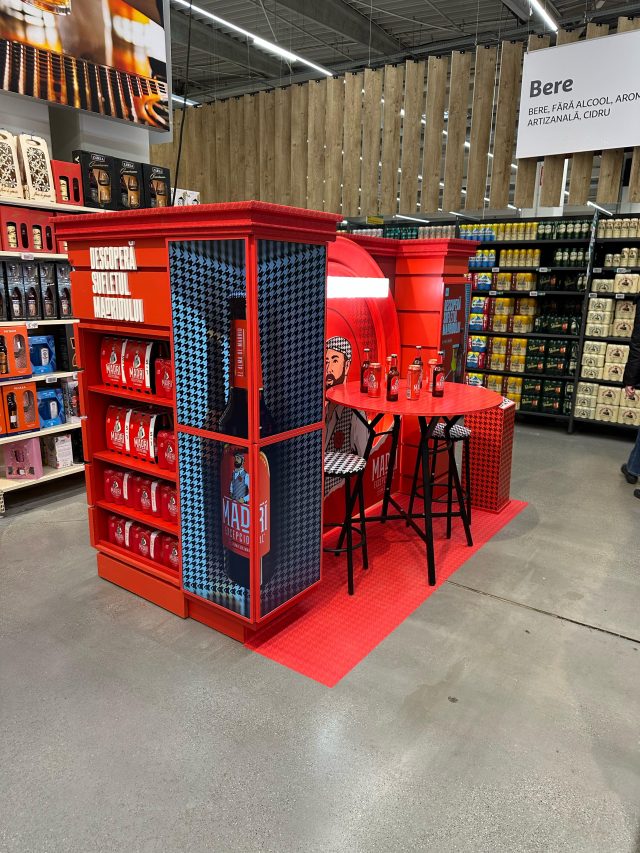
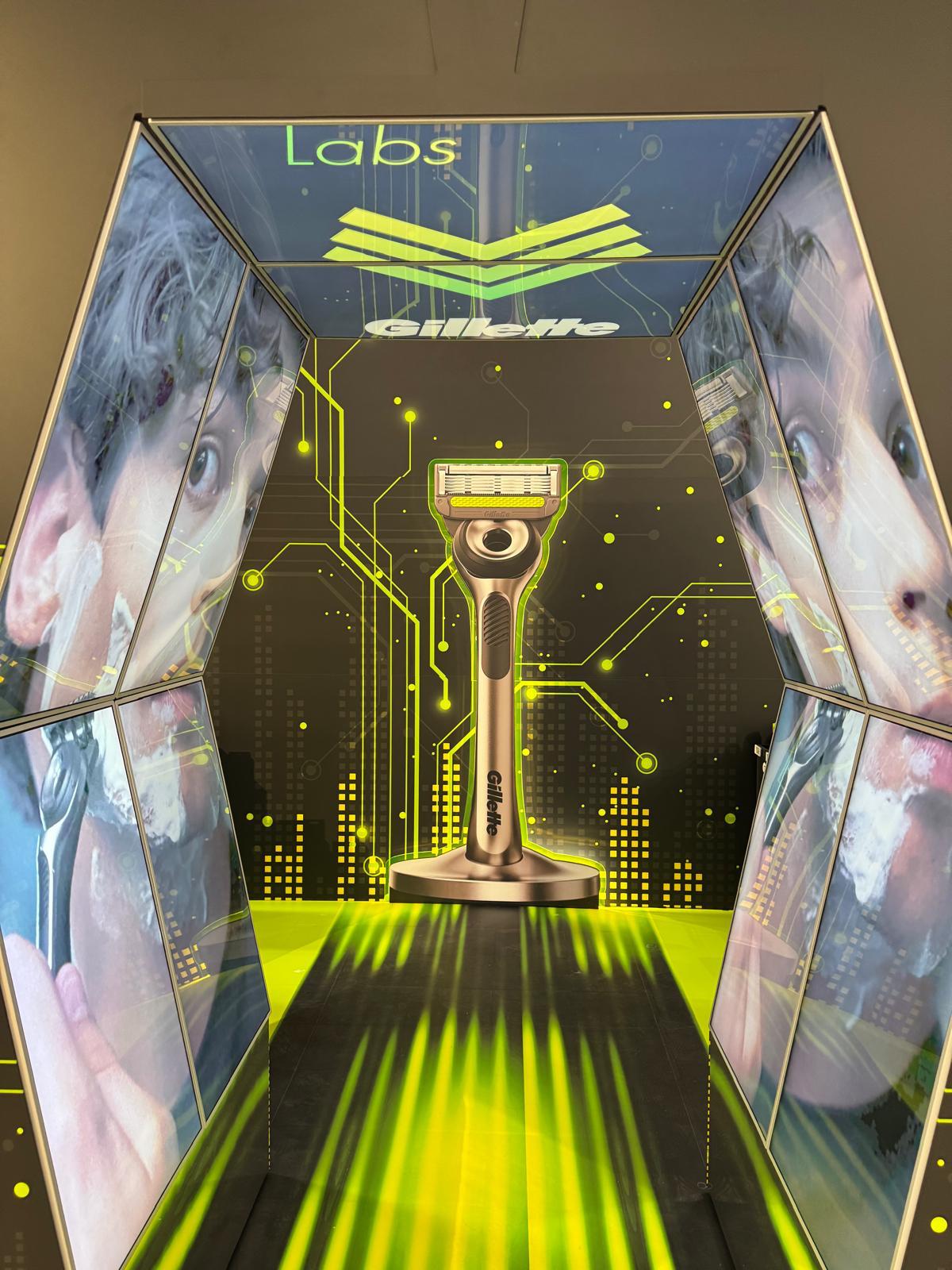
For us, that usually means retail innovation, permanent retail placements, digital signage ecosystems, special placements, immersive brand activations, production-driven communication, and data collection and analysis in real environments. These services are increasingly requested because brands need more than presence. They need results, relevance, adaptability, speed. Basically, proof that what they implement actually performs.
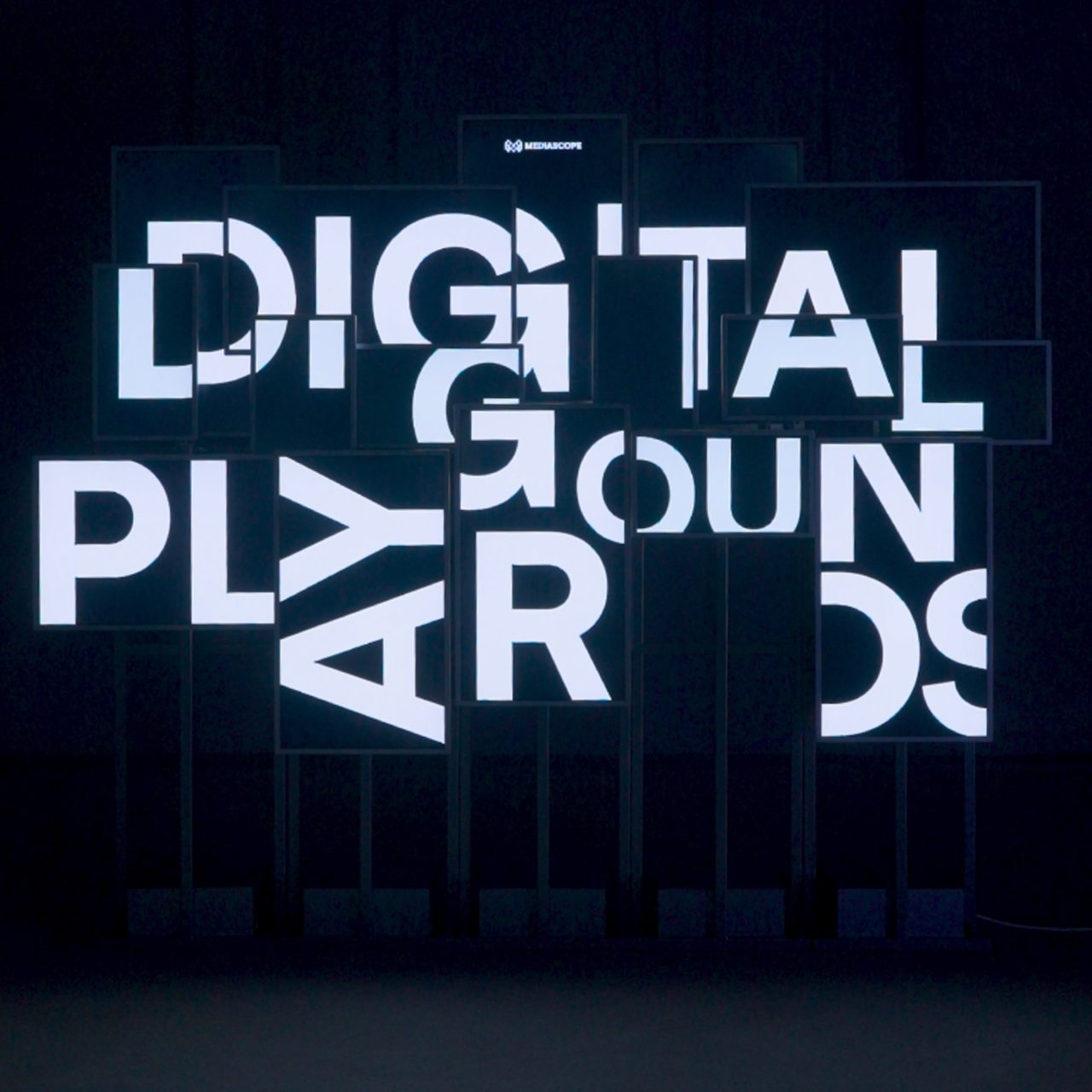
How has Digital Playgrounds evolved and where do you see it go next?
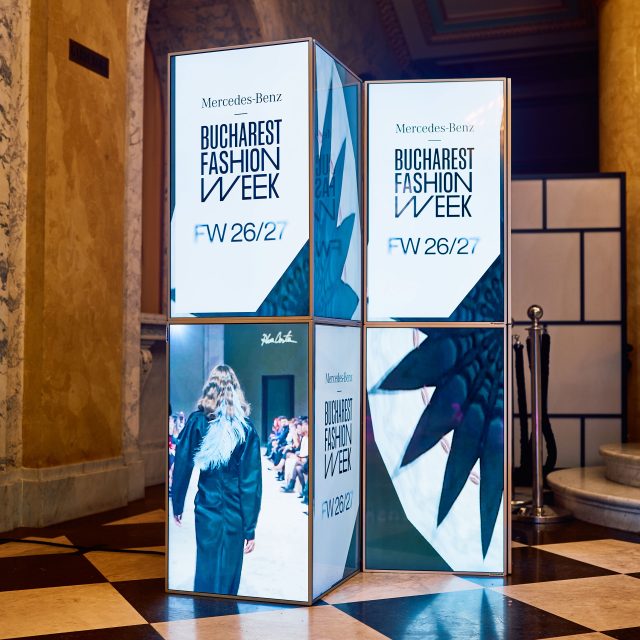
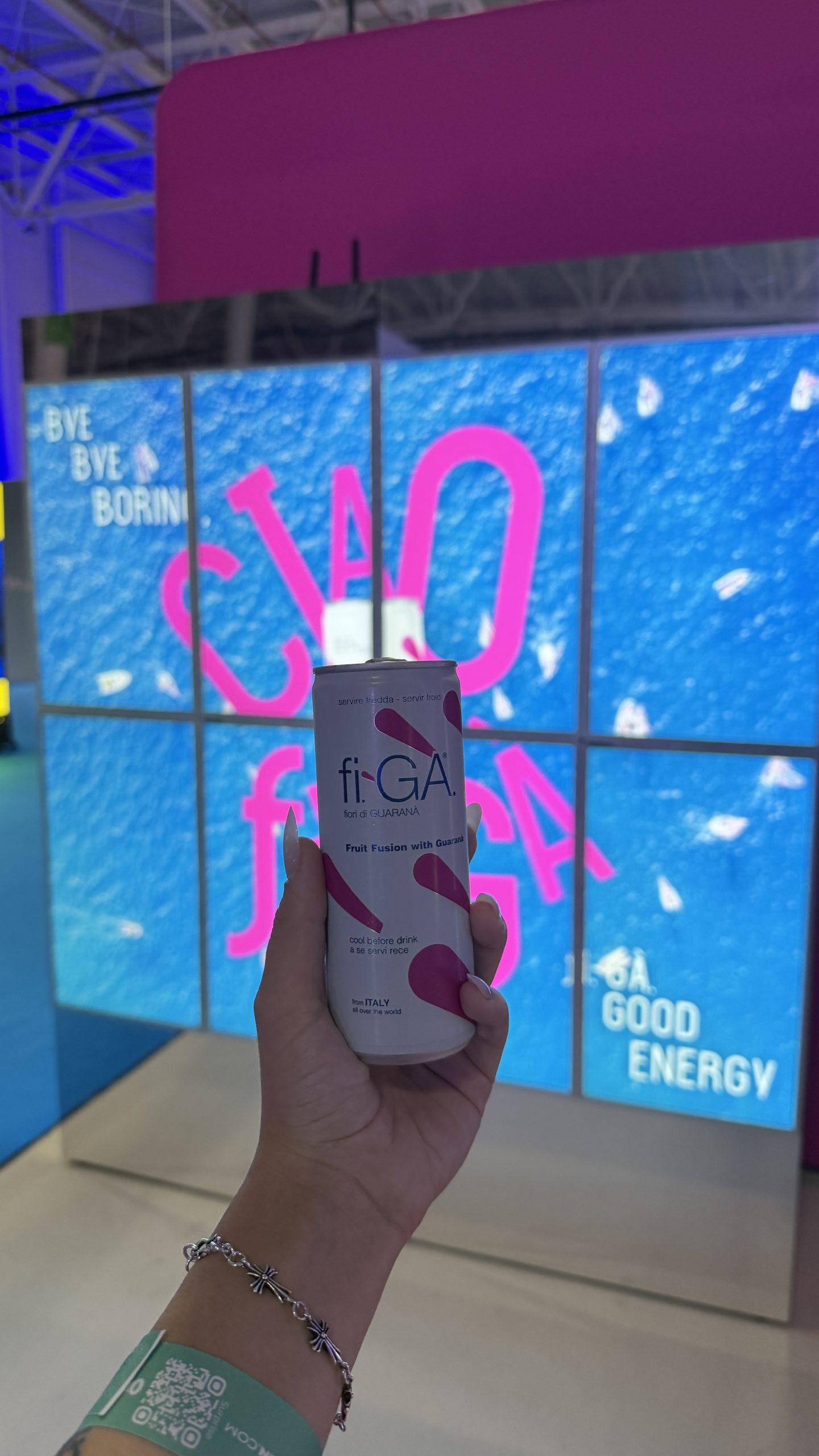
Digital Playgrounds evolved from being perceived as a more experimental layer of the company into something much more structured and strategic, is a separate line of business today. It is closer to an innovation ecosystem of digital canvases installations and a complex variety of hardware than to a simple creative label. It is where we test, package and operationalize new ways of building value for clients and mostly, generate revenue for all parts involved and making brand investments more precise.
This year, I see it growing deeper into areas such as digital brand experiences, adaptive content infrastructure, automation, retail media logic, data collection, and integrated physical-digital brand systems. We are not interested in innovation for show. We are interested in solutions that work in real retail, real events, real public spaces and real business conditions.
What are clients like in 2026?
Clients in 2026 are more informed, more pressured and more selective. They want speed, but they also want clarity. They want efficiency, but they also expect strategic thinking. And increasingly, they want partners who understand their broader business context, not just their campaign brief.
At the same time, I think the tone is set more and more by the client. The industry may be mature and capable of courage, but the actual demand for boldness or deep innovation is not always equally present. In many cases, clients are asking for efficiency, safety and predictability. So, the challenge is to help them navigate that tension: between control and differentiation, between caution and relevance.
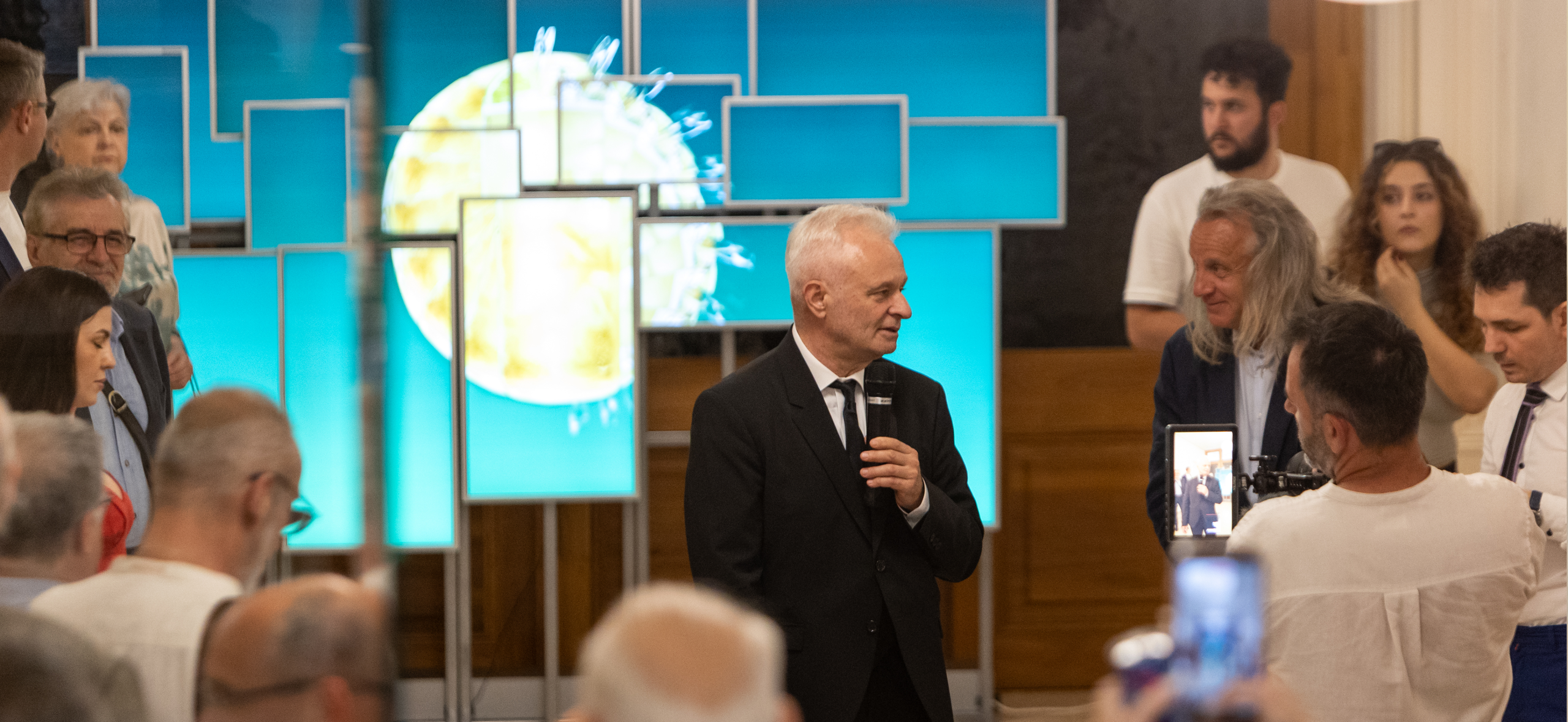
With UNArte, the collaboration has evolved very naturally since Digital Playgrounds – Demo Day, which we hosted together with UNAgaleria in May 2025. That was a valuable moment for us because it was one of those encounters where you feel that something real, useful and meaningful is being built — not only for the present, but for the future of the industry. We saw students and professors engaging directly with digital canvas technology, prototyping ideas, testing concepts and working with real creative energy in a live learning context.
In 2026, that relationship is continuing in a broader way, including our involvement in the three-day inauguration event for the new UNArte buildings, the Pinacoteca and the Library. For us, this is more than an event collaboration. It is part of a long-term belief that creative education, cultural infrastructure and professional practice need to be connected more closely. We want to contribute with real briefs, prototyping sessions, structured feedback, internship opportunities and, where possible, employment pathways for students and professors, all thought the year.
You focus a lot on quality and delivering at really high levels. How hard is it to do this in today’s industry?
Truth is the market rewards speed, compression and lower-cost solutions, while expectations on the output remain extremely high. Maintaining standards in this kind of environment requires more than talent — it requires culture, discipline and operational rigor.
For us, quality is not a slogan. It is a system. It means consistent implementation, attention to detail, clear processes, and the discipline not to lower the bar under pressure. That is difficult in today’s industry, but it is also what builds trust over time.
With UNArte, the collaboration has evolved very naturally since Digital Playgrounds – Demo Day, which we hosted together with UNAgaleria in May 2025. That was a valuable moment for us because it was one of those encounters where you feel that something real, useful and meaningful is being built — not only for the present, but for the future of the industry. We saw students and professors engaging directly with digital canvas technology, prototyping ideas, testing concepts and working with real creative energy in a live learning context.
In 2026, that relationship is continuing in a broader way, including our involvement in the three-day inauguration event for the new UNArte buildings, the Pinacoteca and the Library. For us, this is more than an event collaboration. It is part of a long-term belief that creative education, cultural infrastructure and professional practice need to be connected more closely. We want to contribute with real briefs, prototyping sessions, structured feedback, internship opportunities and, where possible, employment pathways for students and professors, all thought the year.
What is your main hope for the agency, as well as the marcomm industry?
For the agency, my main hope is that we continue to grow and to shape the future of retail along our partners. I want Mediascope to remain sharp, demanding, curious and capable of creating work that is both strategically relevant and well executed.
For the industry, I hope for more substance and less superficiality. Less obsession with solutions that are only “cheap,” decorative or performative, and more focus on real value, strategic coherence, measurable impact and responsible innovation.
Do you have any fears?
I have a healthy respect for volatility. Markets shift, technologies accelerate, industries become noisy and, sometimes, standards get diluted very quickly. So yes, I am cautious about superficiality, about overpromising, and about the risk of confusing movement with progress. But I do not think fear is useful unless it sharpens your judgment. What matters is lucidity, adaptability and the ability to stay grounded in what creates value.
How is your agency perceiving the AI trend and how are you adapting to it?
We see AI as a major technological shift and a real change in direction, not as a passing trend. We have already integrated AI across most departments, and it helps us move faster, work with more volume and structure outputs more efficiently.
That said, our perspective is pragmatic. AI is powerful when it supports human intelligence, not when it replaces thinking. It is extremely useful for automation, acceleration, organization, content systems, reporting logic and certain operational processes. But strategy, judgment, relevance and taste still require human experience. I think the industry is still learning that technology alone does not solve strategic problems.
What were the trends that were on full display in recent years, but you believe will no longer work in the future? Why?
I believe superficial innovation will continue to lose power — solutions that look impressive in a presentation but do not hold up. I also think the market will gradually move away from fragmented execution and from communication that optimizes only for reach or engagement without business impact behind it. Solutions that brands implement in any marketing area need to generate revenue.
Another trend I would like to see disappear is the overreliance on safe, overly polished solutions that do not actually generate differentiation. In recent years, the pressure for efficiency pushed a lot of brands and agencies into safer territory. That may continue in parts of the market, but in the long run it weakens distinctiveness.
How do you fight the industry’s problems?
First, by not romanticizing them. Industry problems are not solved through slogans. They are solved through better standards, better filtering, stronger systems, and more discipline in what you accept and what you refuse.
At Mediascope, we try to fight industry problems by building mechanisms, not improvisations. We believe in system design, in integrated solutions, in technology with a purpose, and in clearer indicators that can be followed. We also try to reduce the gap between opinion and evidence by introducing more tools, more platforms and, whenever possible, more measurable logic into campaigns.
What do you believe to be the main DON’Ts in 2026 and why?
One major DON’T in 2026 is pretending. Do not pretend strategy where there is none. Do not pretend innovation where there is only decoration. Do not pretend partnership when the relationship is purely transactional.
Another major DON’T is choosing “cheap” over useful just because it seems efficient in the short term. That logic may produce quick outputs, but it rarely produces long-term value. And finally, do not use AI as a substitute for thinking. It is a tool, not the creator with a vision. The creator is the human being using the tool which happens to be AI for the time being, not the other way around, at least for now.
What do you believe will be this year’s mark (for the industry, but also for your agency)?
I believe this year’s mark will be integration and data. The need to connect channels, experiences, content, implementation and data has accelerated very quickly, and the agencies that remain relevant will be those that can deliver in an integrated way.
For Mediascope, 2026 will be defined by our ability to connect retail, immersive brand experiences and digital environments into one coherent system — and to do that while protecting quality and strategic clarity. I also believe data collection in retail will become increasingly close to a benchmark for the industry.
What is your secret for still enjoying the industry like in the beginning?
I do not think the secret is to stay the same. The secret is to keep evolving without losing curiosity. This industry remains exciting if you are still interested in people, behavior, culture, environments and how ideas become real systems.
What keeps it alive for me is building. I still enjoy the process of taking something abstract and turning it into something visible, functional and valuable in the real world.
After all, Mediascope always shaped the future in trade-marketing and retail and we like to do that, it is our drive.
What do you still love about the industry and why?
I still love the fact that this industry stays close to life. It touches culture, commerce, design, technology, public experience and human behavior all at once. Few industries allow you to think strategically and build something tangible at the same time.
And I still love the transformation itself — the moment when an idea stops being a slide, a draft or a promise and becomes something real: in a store, in an event, in a cultural space, in a measurable result, in the people’s response. That remains one of the most satisfying parts of our agency’s work.
![[Restart 2026] Dragoș Bocai: S-a simțit presiunea eficienței. Multe soluții „safe” și cuminți, mai puțină inovație](https://mediascope.ro/wp-content/uploads/2026/03/Mediascope_44_Iqads-DragosB_01-1920x2880.jpg)